Start with Omaha's building materials and the actual stain
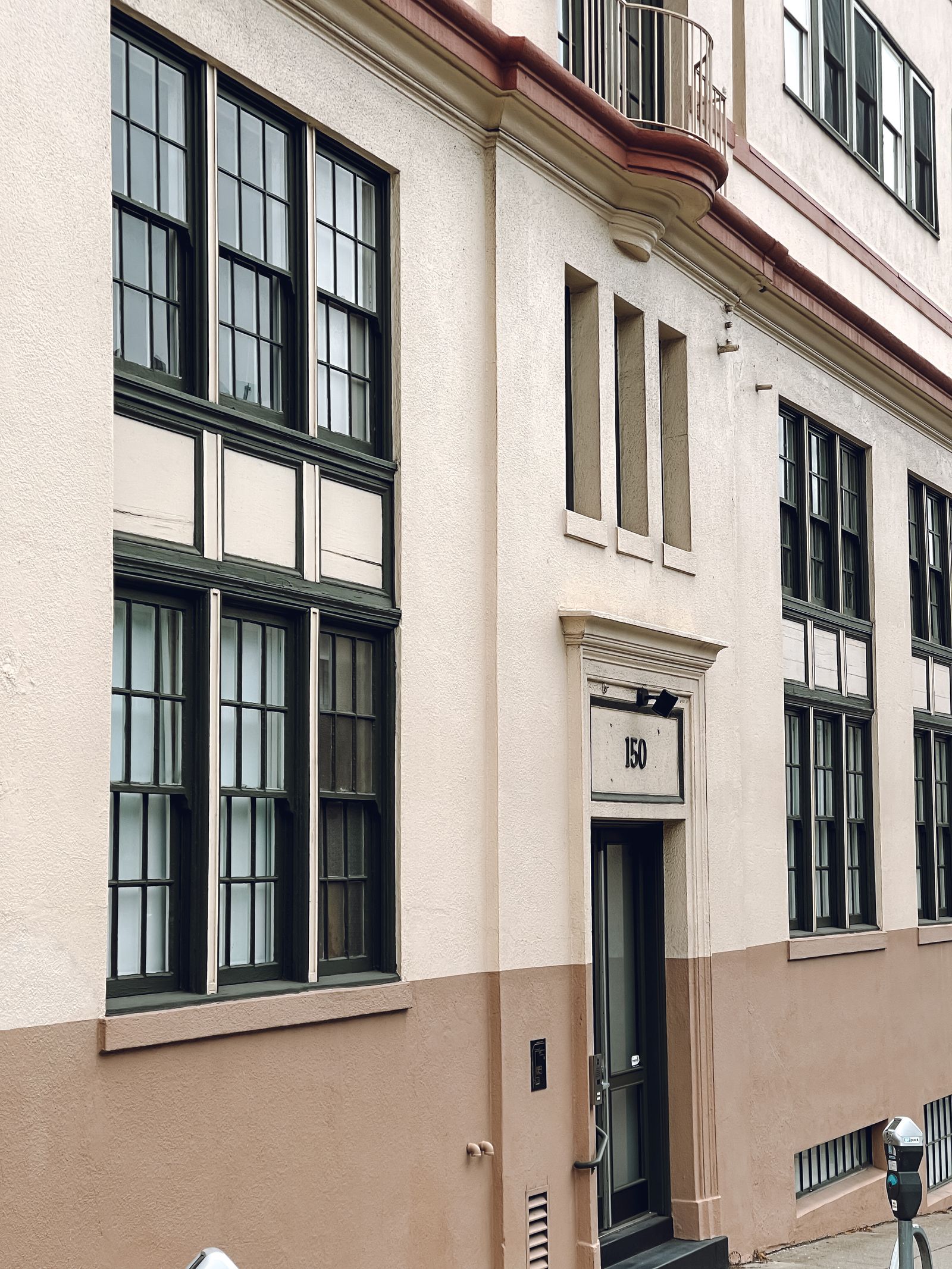
Omaha properties often combine common brick, historic masonry, limestone, precast panels, concrete, storefront glass, painted trim, metal cladding, EIFS, stucco, entry canopies, and patched repairs. An Old Market building may have older mortar and decorative masonry next to glass and restaurant frontage. A Midtown or West Omaha office may use brick veneer, EIFS, broad windows, landscaped setbacks, and parking-facing walls. An industrial building near North Omaha, the rail corridors, or the Missouri River may carry dust and truck film on one elevation while another stays shaded and damp. Each zone should be considered separately before pressure, chemistry, dwell time, rinse volume, and access are selected.
Soft washing can be useful for compatible algae, mildew, organic growth, bird residue, pollen, and ordinary atmospheric film when the material and condition support it. It is not a repair for cracked mortar, failed sealants, spalled concrete, corroded metal, loose coatings, active leaks, or moisture inside a wall assembly. A dark mark may be biological growth, soot, traffic film, oxidation, mineral residue, salt, or existing damage. A test area and dry-down can help set a realistic expectation. The quote should distinguish routine washing from hard-water removal, graffiti treatment, construction residue, restoration, repair, or investigation.
- Separate brick, limestone, concrete, glass, metal, EIFS, stucco, and painted surfaces.
- Identify organic growth, traffic film, mineral deposits, oxidation, salt, and existing damage.
- Define whether the goal is maintenance, a visible facade reset, or a presentation finish.
- Keep repairs, leak diagnosis, coating replacement, and restoration outside routine washing.
Coordinate Downtown, Old Market, Midtown, and West Omaha operations
Cleaning in Downtown Omaha and the Old Market can place a work zone beside pedestrians, restaurants, patios, galleries, hotels, deliveries, street parking, and event traffic. Capitol District properties may have guests and visitors moving between parking, restaurants, and entertainment venues. Midtown Crossing and Aksarben Village can combine office tenants, apartments, retail, dining, landscaping, and active sidewalks. West Omaha corridors around West Dodge, Regency, Village Pointe, and Boys Town may have broad parking fields, medical traffic, school activity, and landscaped setbacks. North Omaha and the airport or rail-adjacent areas can add loading, gates, trucks, security rules, and dust exposure.
A hotel may need work sequenced around arrivals, bell service, conferences, breakfast, and coach access. A medical property near UNMC, Nebraska Medicine, CHI Health, or Methodist may need doors, patient routes, emergency access, and air intakes protected throughout the shift. An office may prefer an early window before tenants arrive, while a retail site may need work after deliveries or before a weekend event. Before scheduling, identify accessible routes, entrances, loading areas, security rules, vehicles, patios, event calendars, and the property contact who can pause the work if conditions change. Phasing one elevation at a time often keeps the building useful while the work zone moves.
Plan around Omaha wind, severe weather, snow, and freeze-thaw
Omaha weather can change the work plan as quickly as the facade condition. Spring pollen can coat ledges and windows. Summer heat can shorten dwell time and dry products unevenly, while humidity and shade keep north-facing walls, recessed entries, and areas beneath trees damp. Severe thunderstorms can bring lightning, hail, heavy rain, and gusts. Winter snow, ice, and freeze-thaw cycles can expose weak mortar, failed coatings, cracked concrete, and slippery walking surfaces. Deicing residue may concentrate near garage entries, curbs, loading docks, and lower walls instead of covering the entire building.
A recurring streak may point to a parapet, roof edge, downspout, irrigation source, failed joint, or other moisture path. Salt, mineral deposits, oxidation, and organic growth have different treatment expectations; a routine soft wash is not a promise of complete restoration. The field plan should check wind, lightning, rain, temperature, surface moisture, ice, and walking conditions before application and during the work. If a storm approaches, a ramp becomes unsafe, or water begins moving toward an unexpected area, the correct response is to secure the work zone, pause, reassess, and resume only when the method still fits. A calendar date is a target window, not permission to work through unsuitable conditions.
Use drone assistance only when the Omaha site supports it
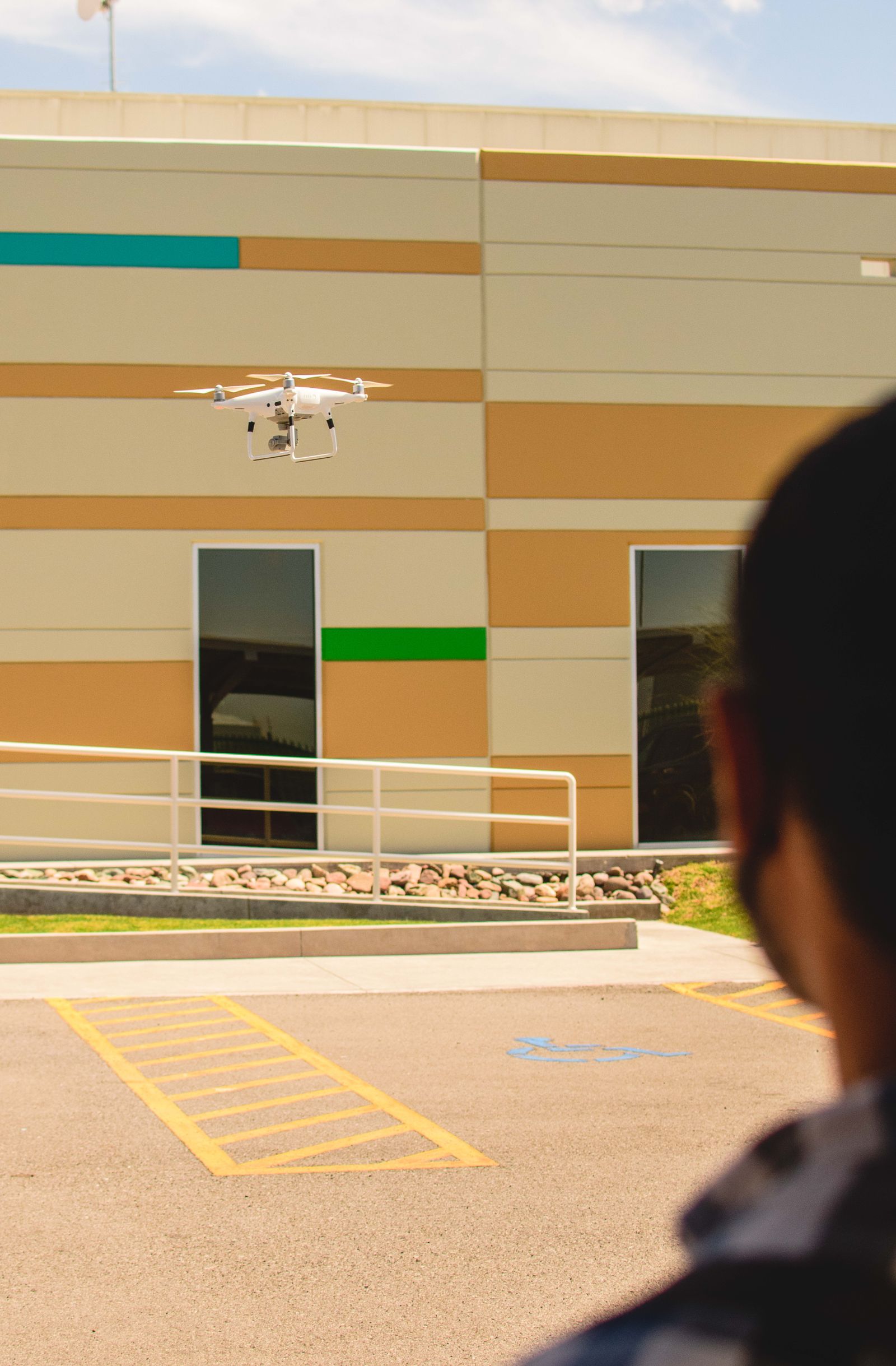
Drone-assisted application or rinsing can help selected upper facade areas when there is adequate stand-off distance, clear visual control, manageable wind, a suitable launch and recovery area, predictable hose behavior, and a ground team able to protect people and property. Broad compatible walls may benefit when repeated lift repositioning would disrupt a hotel, office, healthcare campus, or active storefront. The aircraft is an access and delivery tool; the finish still depends on substrate, stain, chemistry, dwell time, rinse, weather, and the standard the owner expects.
Downtown blocks, utility lines, trees, balconies, rooftop equipment, bridges, stadium activity, neighboring structures, and proximity to Eppley Airfield can limit aerial work. Commercial operations must follow applicable Federal Aviation Administration requirements and any required airspace authorization. Property permission does not replace aviation compliance. If the public zone cannot be controlled, wind changes spray behavior, or the facade is too close to people or another structure, a lift, pole, roof-access method, hand detail, hybrid scope, or different work window may be more appropriate. Contact access remains important for squeegee-finish glass, scraping, mineral deposits, recessed details, and repairs.
A useful proposal identifies which elevations may receive drone support, what conditions must be present, and which areas require direct access. That lets an owner compare a practical hybrid plan with a conventional lift or pole approach instead of paying for a technology label. An upper wall may be handled one way while entries, canopies, lower walls, and glass receive the control and finish they require.
Protect drainage, landscaping, patients, guests, and public routes
Before setup, map sidewalks, accessible paths, doors, air intakes, cameras, signs, vehicles, patio furniture, landscaping, low points, catch basins, hose crossings, and neighboring property. Old Market and Midtown sites may need a spotter and short phased controls. A hotel may need the porte cochere and luggage path open. A medical or office property may need notices, security coordination, and a clean handback. A limited work area with a stated closure and reopening time is easier for guests, tenants, patients, and facilities staff to understand than an expanding spray zone.
Water management must be planned before the rinse starts. Omaha properties may drain toward curb inlets, landscaped beds, parking structures, combined or separate sewer systems, the Papillion Creek watershed, or the Missouri River corridor. A visible drain is not automatic permission to send wash water into it. The actual products, water volume, soil, surface, and discharge route determine appropriate controls. The scope should state the intended path, protection, diversion, collection, recovery, or other control; who confirms conditions; and what happens if observed flow differs from the initial assumption. At closeout, public routes should be usable, temporary controls removed, and completed or deferred areas photographed.
- Locate drains, low points, slopes, landscaping, doors, intakes, vehicles, and public paths.
- Coordinate with patients, guests, tenants, deliveries, events, accessibility, and emergency access.
- Set pause triggers for lightning, wind, hail, rain, temperature, ice, and changed water movement.
- Document completed elevations, remaining deposits, repair concerns, and specialty work outside scope.
Build an Omaha quote around the elevations people actually see
A one-time exterior reset can help before an ownership visit, property inspection, lease tour, hotel event, renovation handoff, listing, or seasonal presentation. Prioritize the main entrance, sign band, canopy, guest approach, patient or tenant-facing elevations, and stains visible from the street or parking area. A phased first project can improve the most important zones without forcing every wall into the same schedule. It can also reveal repairs, mineral deposits, or envelope concerns before a larger scope is approved.
Recurring maintenance may make sense when tree cover, pollen, humidity, traffic film, irrigation, river exposure, snow residue, or brand standards create predictable resoiling. The interval should come from observed condition, previous results, weather, access, budget, and event calendars, not an automatic promise. A program might separate high-visibility entries from broad facade washing and use different methods for glass, masonry, canopies, rooflines, and ground-facing walls.
Send the address, wide and close photos, approximate height, known materials, priority elevations, desired finish, preferred dates, water access, drainage observations, and guest, patient, tenant, delivery, patio, or event restrictions. Prior cleaning records, repair notes, drawings, and sensitive-equipment information help determine whether a site review, test area, or hybrid access plan is needed. We can quote a one-time reset, phased priorities, or recurring care with clear inclusions, exclusions, weather limits, access assumptions, and closeout documentation. Tell us which parts of the property matter most, and we will build the next step around the business operating there.